





















































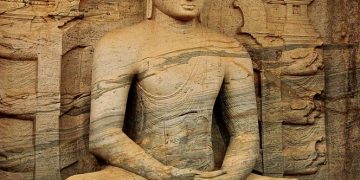


Zen and the Art of Leadership: Mastering Meditation Techniques for Busy CEOs
In today’s fast-paced business world, being a CEO can be incredibly demanding. With endless meetings, constant emails, and high-pressure decisions to make, it’s easy to feel overwhelmed and stressed. This is where the ancient practice of Zen meditation can be incredibly beneficial. By incorporating meditation techniques into their daily routine, busy CEOs can cultivate inner peace, clarity, and focus, ultimately becoming more effective leaders.
What is Zen meditation?
Zen meditation, also known as Zazen, is a form of meditation that originated in Zen Buddhism. It involves sitting in a quiet and comfortable position, focusing on the breath, and observing thoughts as they arise without judgment. The goal of Zen meditation is to cultivate mindfulness, awareness, and a deep sense of presence in the moment.
How can Zen meditation benefit busy CEOs?
1. Reduced stress and anxiety: The practice of Zen meditation has been shown to reduce stress hormones in the body, leading to a greater sense of calm and relaxation. For busy CEOs who are constantly under pressure, this can be incredibly valuable in helping them stay grounded and focused.
2. Improved focus and concentration: By training the mind to focus on the present moment, Zen meditation can help CEOs improve their concentration and attention to detail. This can be especially helpful when making important decisions or leading a team through a challenging project.
3. Enhanced creativity and problem-solving skills: When the mind is clear and focused, CEOs are better able to tap into their creative potential and come up with innovative solutions to complex problems. Zen meditation can help unlock this creativity and foster a more open and flexible mindset.
4. Better decision-making: By cultivating mindfulness and awareness through meditation, CEOs can make more informed and thoughtful decisions. Rather than reacting impulsively to a situation, they can take the time to consider all options and choose the best course of action.
How to incorporate Zen meditation into a busy CEO’s schedule
1. Start small: It’s important to start with just a few minutes of meditation each day and gradually increase the time as you become more comfortable with the practice. Even just five minutes of meditation in the morning can set a positive tone for the rest of the day.
2. Find a quiet space: Choose a quiet and comfortable space where you can sit undisturbed during your meditation practice. This could be a corner of your office, a peaceful park, or even a quiet room at home.
3. Focus on the breath: Begin by focusing on your breath as it flows in and out of your body. Notice the sensations of the breath as it fills your lungs and then leaves your body. If your mind starts to wander, gently bring your attention back to the breath.
4. Observe your thoughts: As you meditate, thoughts will inevitably arise in your mind. Instead of getting caught up in these thoughts, simply observe them as they come and go without judgment. This practice of non-attachment can help you cultivate a sense of inner peace and calm.
5. Practice regularly: Consistency is key when it comes to meditation. Try to set aside time each day for your practice, even if it’s just for a few minutes. The more you meditate, the more benefits you will experience in your daily life.
Incorporating Zen principles into leadership
Zen philosophy emphasizes simplicity, mindfulness, and compassion, all of which are valuable qualities for effective leadership. By incorporating Zen principles into their leadership style, CEOs can create a more harmonious and productive work environment for their team. Here are a few ways to integrate Zen principles into leadership:
1. Practice active listening: In Zen philosophy, listening is considered a form of meditation. By practicing active listening, CEOs can show their team members that they value their input and ideas. This can foster a sense of trust and collaboration within the team.
2. Cultivate compassion: Compassion is a central tenet of Zen philosophy, and it can be a powerful tool for leaders. By showing empathy and understanding towards their team members, CEOs can create a more supportive and positive work culture.
3. Embrace impermanence: In Zen philosophy, impermanence is a fundamental truth that reminds us to let go of attachments and be open to change. As a leader, it’s important to embrace uncertainty and adapt to new challenges with grace and flexibility.
4. Lead by example: The best way for CEOs to incorporate Zen principles into their leadership style is to lead by example. By demonstrating mindfulness, compassion, and resilience in their own actions, they can inspire their team members to do the same.
In conclusion, Zen meditation offers a powerful tool for busy CEOs to cultivate mindfulness, focus, and inner peace in their leadership role. By incorporating meditation techniques into their daily routine and integrating Zen principles into their leadership style, CEOs can become more effective and compassionate leaders. With regular practice and a commitment to personal growth, busy CEOs can harness the transformative power of Zen meditation to navigate the challenges of the business world with grace and wisdom.