






















































Unlocking the Power of Presence: A Journey into Mindfulness
In today’s fast-paced world, it’s easy to get caught up in the chaos and lose sight of the present moment. We’re constantly bombarded with distractions, from emails and social media notifications to the pressures of work and family life. It’s no wonder that stress and anxiety are on the rise, with many of us feeling overwhelmed and disconnected from ourselves and those around us.
But what if there was a way to find peace and clarity amidst the chaos? What if we could tap into a powerful tool that could help us navigate the ups and downs of life with grace and resilience? This is where mindfulness comes in.
What is Mindfulness?
Mindfulness is the practice of being fully present in the moment, without judgment or distraction. It involves paying attention to your thoughts, feelings, and sensations with a sense of curiosity and openness. By cultivating mindfulness, you can learn to respond to life’s challenges with greater awareness and compassion, rather than reacting impulsively or out of habit.
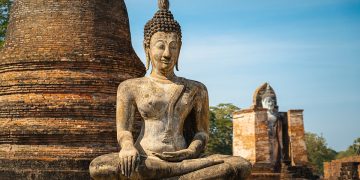
While mindfulness has its roots in ancient Buddhist traditions, it has become increasingly popular in the West as a secular practice for improving mental health and well-being. Research has shown that mindfulness can reduce stress, anxiety, and depression, while enhancing focus, creativity, and relationships.
How to Practice Mindfulness
There are many ways to cultivate mindfulness in your daily life. One of the most common practices is meditation, which involves sitting quietly and focusing on your breath or a specific object. This helps to calm the mind and develop a greater sense of awareness and presence.
You can also practice mindfulness informally throughout the day by paying attention to your senses, such as the taste of your food or the feel of the sun on your skin. Engaging in activities like yoga, tai chi, or walking in nature can also help to bring you into the present moment and connect with your body and surroundings.
The Benefits of Mindfulness
The benefits of mindfulness are vast and far-reaching. Research has shown that regular mindfulness practice can improve both physical and mental health, including reducing stress, anxiety, and depression. It can also enhance cognitive function, creativity, and emotional regulation.
By cultivating mindfulness, you can learn to better manage your thoughts and emotions, leading to greater self-awareness and resilience. This can help you navigate life’s challenges with greater ease and grace, rather than getting caught up in negative patterns of thinking and reacting.
Common Questions about Mindfulness
Is mindfulness just another form of meditation?
While meditation is a common way to practice mindfulness, mindfulness itself is more about being present in the moment, rather than achieving a specific state of mind. You can practice mindfulness in many different ways, not just through meditation.
Can anyone practice mindfulness?
Yes, mindfulness is a practice that anyone can learn and benefit from. It doesn’t require any special skills or abilities, just a willingness to be present and open to your experience.
How long does it take to see the benefits of mindfulness?
The benefits of mindfulness can vary from person to person, but many people report feeling calmer and more focused after just a few weeks of regular practice. The key is to be consistent and patient with yourself as you develop your mindfulness skills.
Conclusion
Unlocking the power of presence through mindfulness can be a transformative journey towards greater well-being and fulfillment. By learning to be fully present in the moment, without judgment or distraction, you can cultivate a greater sense of awareness, compassion, and resilience in your daily life.
Whether you choose to practice mindfulness through meditation, yoga, or simply by paying attention to your senses, the benefits are clear. Mindfulness can help you reduce stress, anxiety, and depression, while enhancing your focus, creativity, and relationships.
So why not take the first step on your mindfulness journey today? Start by setting aside a few minutes each day to practice being present in the moment, and see how it can transform your life for the better.