






















































In today’s fast-paced and highly competitive world, mastering mindfulness has become a secret weapon for high performance. Mindfulness is the practice of being fully present and aware of your thoughts, feelings, and surroundings in the present moment. It has been proven to reduce stress, enhance focus, and improve overall well-being. In this article, we will explore the benefits of mindfulness for high performance, how to incorporate it into your daily routine, and tips for mastering mindfulness to achieve your goals.
### What is Mindfulness?
Mindfulness is a state of active, open attention to the present moment. It involves paying attention to your thoughts and feelings without judging them or getting caught up in them. By practicing mindfulness, you can become more aware of your thoughts and emotions, which can help you manage stress, improve focus, and make better decisions.
### Benefits of Mindfulness for High Performance
1. **Stress Reduction**: Mindfulness has been shown to reduce stress levels by helping individuals focus on the present moment rather than worrying about the past or future. This can lead to improved mental clarity, better decision-making, and increased productivity.
2. **Enhanced Focus**: By practicing mindfulness, you can train your brain to stay focused on the task at hand, rather than getting distracted by external factors. This can lead to improved concentration, better memory retention, and overall increased performance.
3. **Improved Well-being**: Mindfulness can help individuals become more in tune with their emotions and physical sensations, leading to a greater sense of well-being and overall happiness. By being present in the moment, you can cultivate a sense of gratitude and appreciation for the little things in life.
### How to Incorporate Mindfulness into Your Daily Routine
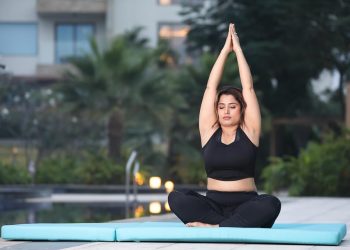
1. **Meditation**: One of the most common ways to practice mindfulness is through meditation. Set aside a few minutes each day to sit quietly and focus on your breath. Notice any thoughts or distractions that come up, but gently bring your attention back to your breath.
2. **Mindful Eating**: Another way to practice mindfulness is through mindful eating. Take the time to savor each bite of your meal, paying attention to the flavors, textures, and sensations. This can help you become more aware of your eating habits and make healthier choices.
3. **Mindful Movement**: Engaging in activities such as yoga or tai chi can help you cultivate mindfulness through movement. Focus on your breath and the sensations in your body as you move through the poses or exercises.
### Tips for Mastering Mindfulness
1. **Start Small**: If you’re new to mindfulness, start with just a few minutes of practice each day and gradually increase the time as you become more comfortable. Consistency is key, so try to incorporate mindfulness into your daily routine.
2. **Practice Gratitude**: Take a few moments each day to reflect on what you’re grateful for. This can help cultivate a positive mindset and increase your overall sense of well-being.
3. **Stay Present**: Whenever you find your mind wandering or getting caught up in worries, gently bring your attention back to the present moment. Focus on your breath, the sensations in your body, or the sounds around you to anchor yourself in the here and now.
### Common Questions About Mindfulness
1. **Can Anyone Practice Mindfulness?** Yes, mindfulness is a practice that anyone can incorporate into their daily routine, regardless of age, background, or experience level. It’s simply a matter of being present and aware of your thoughts and feelings.
2. **How Long Does it Take to See Results?** The benefits of mindfulness can vary from person to person, but many individuals report feeling calmer, more focused, and happier within just a few weeks of consistent practice.
3. **Is Mindfulness a Form of Meditation?** While mindfulness often involves meditation, it is not limited to sitting quietly and focusing on your breath. You can practice mindfulness in any moment of your day, whether you’re eating, walking, or engaging in a conversation.
### Conclusion
Mastering mindfulness is a powerful tool for enhancing high performance in all areas of your life. By cultivating a sense of presence and awareness, you can reduce stress, improve focus, and increase overall well-being. Incorporating mindfulness into your daily routine through practices such as meditation, mindful eating, and mindful movement can help you achieve your goals and reach your full potential. Start small, stay consistent, and remember to be kind to yourself as you embark on your mindfulness journey. With practice and patience, you can harness the secret weapon of mindfulness for high performance in all aspects of your life.