




















































Mastering the Art of Mindfulness: A Guide to Living in the Present Moment
Are you constantly feeling overwhelmed by the demands of modern life? Do you find yourself caught up in worries about the future or regrets about the past? If so, you’re not alone. In today’s fast-paced world, it’s easy to get caught up in the hustle and bustle of everyday life, leaving little time for self-reflection and inner peace. But there is a solution – mindfulness.
What is Mindfulness?
Mindfulness is the practice of being present in the moment, fully aware of your thoughts, feelings, and surroundings without judgment. It involves paying attention to your breath, sensations in your body, and the world around you with a sense of curiosity and acceptance. By cultivating mindfulness, you can learn to let go of negative thoughts and emotions, reduce stress and anxiety, and improve your overall well-being.
How to Practice Mindfulness
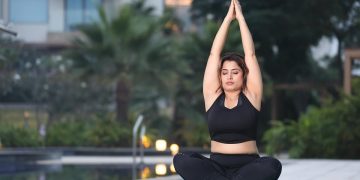
There are many ways to incorporate mindfulness into your daily routine. One of the most popular techniques is mindfulness meditation, where you sit quietly and focus on your breath or a specific object while observing your thoughts without getting caught up in them. Other practices include mindful eating, walking, and body scans, where you bring awareness to different parts of your body.
It’s important to remember that mindfulness is a skill that takes time and practice to develop. Start by setting aside a few minutes each day to sit quietly and focus on your breath. As you become more comfortable with the practice, you can gradually increase the amount of time you spend in meditation.
The Benefits of Mindfulness
The benefits of mindfulness are numerous and well-documented. Research has shown that regular practice can help reduce stress, anxiety, and depression, improve focus and concentration, enhance self-awareness, and promote emotional regulation. By learning to live in the present moment, you can cultivate a greater sense of peace, happiness, and overall well-being.
Common Misconceptions About Mindfulness
Despite its growing popularity, there are still many misconceptions about mindfulness. Some people believe that it’s a religious practice or that you need to sit for hours in meditation to experience its benefits. In reality, mindfulness is a secular practice that can be incorporated into any belief system, and even a few minutes of practice each day can have a profound impact on your mental and emotional health.
Tips for Mastering Mindfulness
If you’re interested in incorporating mindfulness into your daily life, here are a few tips to help you get started:
- Set aside time each day for mindfulness practice, even if it’s just a few minutes.
- Find a quiet space where you won’t be interrupted and sit comfortably with your eyes closed.
- Focus on your breath or a specific object, bringing your attention back whenever your mind wanders.
- Be patient and compassionate with yourself, knowing that mindfulness is a skill that takes time to develop.
- Practice mindfulness throughout the day by bringing awareness to everyday activities such as eating, walking, and driving.
Conclusion
Mastering the art of mindfulness is a powerful tool for living a more fulfilling and balanced life. By learning to live in the present moment, you can reduce stress, improve your mental and emotional well-being, and cultivate a greater sense of peace and happiness. With regular practice and patience, you can harness the transformative power of mindfulness to bring more joy and contentment into your life.
So why wait? Start your mindfulness journey today and experience the profound benefits for yourself.