















































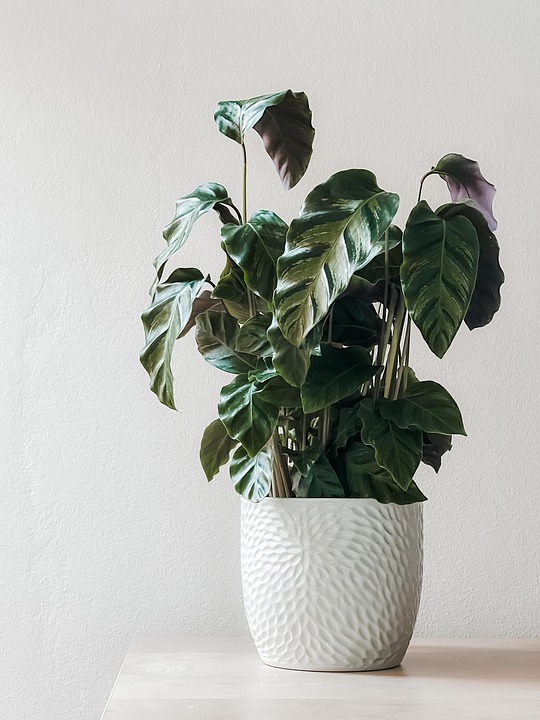
The Complete Guide to Thriving Fiddle Leaf Fig Care: Tips and Tricks for a Lush and Healthy Plant
One of the most popular houseplants today is the fiddle leaf fig (Ficus lyrata). With its large, glossy leaves and striking appearance, it adds a touch of elegance to any room. However, caring for a fiddle leaf fig can be a bit challenging for beginners. In this complete guide, we will provide you with all the tips and tricks you need to keep your fiddle leaf fig thriving and healthy.
Choosing the Right Location
The first step in caring for your fiddle leaf fig is choosing the right location. Fiddle leaf figs thrive in bright, indirect light. Place your plant near a window where it can receive plenty of natural light, but make sure to avoid direct sunlight, as this can scorch the leaves. If your fiddle leaf fig is not getting enough light, you may notice that its leaves are turning yellow or dropping off.
Watering Your Fiddle Leaf Fig
Proper watering is essential for the health of your fiddle leaf fig. Water your plant when the top inch of soil feels dry to the touch. Be careful not to overwater, as this can lead to root rot. It’s better to underwater your fiddle leaf fig than to overwater it. You can also mist the leaves of your plant occasionally to increase humidity, which can help prevent brown spots from forming on the leaves.
Fertilizing Your Fiddle Leaf Fig
During the growing season (spring and summer), fertilize your fiddle leaf fig once a month with a balanced liquid fertilizer. Do not fertilize your plant during the winter months, as it is not actively growing during this time. Overfertilizing can cause your fiddle leaf fig to develop brown spots on its leaves, so be sure to follow the instructions on the fertilizer packaging carefully.
Pruning and Repotting
Pruning your fiddle leaf fig is important for maintaining its shape and promoting new growth. You can prune your plant by cutting back any overgrown branches or leaves. Repotting your fiddle leaf fig every 2-3 years is also necessary to prevent it from becoming root-bound. When repotting, choose a pot that is only slightly larger than the current one to prevent the soil from retaining too much moisture.
Common Problems and Solutions
Despite your best efforts, your fiddle leaf fig may still encounter some common problems. Yellowing leaves can be a sign of overwatering, while brown spots can indicate underwatering or low humidity. If you notice pests such as spider mites or mealybugs on your plant, gently wipe the leaves with a damp cloth or treat the infestation with an insecticidal soap.
FAQs
Q: My fiddle leaf fig’s leaves are drooping. What should I do?
A: Drooping leaves can be a sign of underwatering or overwatering. Check the soil moisture and adjust your watering schedule accordingly. You can also mist the leaves to increase humidity.
Q: How often should I fertilize my fiddle leaf fig?
A: During the growing season, fertilize your fiddle leaf fig once a month with a balanced liquid fertilizer. Do not fertilize during the winter months.
Q: How can I prevent my fiddle leaf fig from getting brown spots on its leaves?
A: Brown spots can be caused by overfertilizing, underwatering, or low humidity. Make sure to follow a proper watering schedule, avoid overfertilizing, and mist the leaves occasionally to increase humidity.
Conclusion
By following the tips and tricks outlined in this complete guide, you can ensure that your fiddle leaf fig remains healthy and lush. Remember to choose the right location, water and fertilize your plant appropriately, prune and repot when necessary, and address any common problems promptly. With proper care, your fiddle leaf fig will thrive and become a stunning focal point in your home.
So, go ahead and give your fiddle leaf fig the care it deserves, and enjoy the beauty and elegance that this popular houseplant brings to your living space.