

















































The Ultimate Guide to Thriving Fiddle Leaf Fig Care: Tips and Tricks for Lush, Healthy Leaves
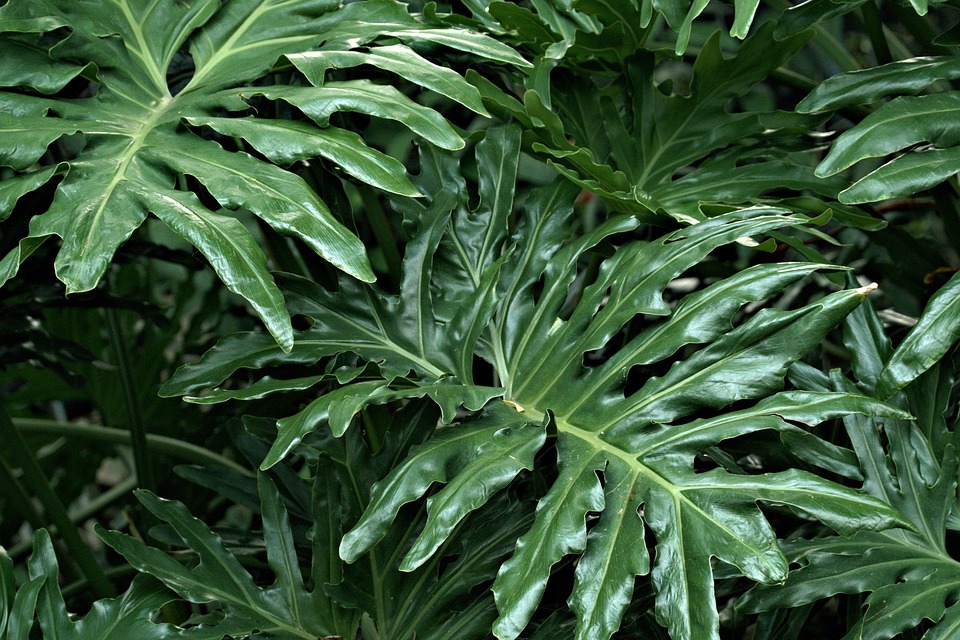
If you’re a plant lover looking to add some greenery to your home, the fiddle leaf fig is a popular choice. With its large, glossy leaves and striking appearance, the fiddle leaf fig can make a dramatic statement in any room. However, caring for this beautiful plant can be a bit tricky, as it has specific needs that must be met in order to thrive. In this ultimate guide, we will provide you with all the tips and tricks you need to keep your fiddle leaf fig looking lush and healthy.
Choosing the Right Location
One of the most important factors in caring for a fiddle leaf fig is choosing the right location. Fiddle leaf figs thrive in bright, indirect light, so it’s important to place your plant near a window where it will receive plenty of sunlight. However, be careful not to expose your fiddle leaf fig to direct sunlight, as this can cause its leaves to burn. If you don’t have access to a sunny window, you can also use a grow light to provide your plant with the light it needs.
Watering and Humidity
Another crucial aspect of fiddle leaf fig care is proper watering and humidity levels. Fiddle leaf figs prefer to be kept on the drier side, so it’s important not to overwater your plant. Allow the top inch of soil to dry out between waterings, and be sure to use a well-draining potting mix to prevent root rot. In addition, fiddle leaf figs thrive in humid environments, so consider misting your plant regularly or using a humidifier to increase the humidity levels in your home.
Fertilizing
To keep your fiddle leaf fig looking its best, it’s important to fertilize your plant regularly. Use a balanced liquid fertilizer once a month during the growing season (spring and summer), and be sure to dilute the fertilizer to half strength to avoid burning your plant’s roots. Fertilizing your fiddle leaf fig will help promote healthy growth and lush, green leaves.
Pruning and Propagation
Pruning is an important part of fiddle leaf fig care, as it helps to promote new growth and keep your plant looking tidy. To prune your fiddle leaf fig, simply trim off any brown or damaged leaves with a sharp pair of scissors. You can also prune your plant to encourage branching and create a fuller, bushier appearance.
If you’d like to propagate your fiddle leaf fig, you can do so by taking stem cuttings and rooting them in water or soil. Simply cut a healthy stem from your plant, remove the lower leaves, and place the cutting in a glass of water or pot of soil. Keep the cutting in a warm, bright location, and be sure to change the water regularly if propagating in water.
Pest Control
Like most houseplants, fiddle leaf figs are susceptible to pests such as spider mites, mealybugs, and scale. To keep your plant pest-free, be sure to inspect your fiddle leaf fig regularly for any signs of infestation, such as yellowing leaves or sticky residue. If you do notice pests on your plant, you can treat them with neem oil or insecticidal soap, being sure to follow the instructions on the product label.
Common Questions and Concerns
As a fiddle leaf fig owner, you may have some common questions and concerns about caring for your plant. Here are a few answers to some of the most frequently asked questions:
Why are my fiddle leaf fig’s leaves turning brown?
Brown leaves on a fiddle leaf fig can be caused by a variety of factors, including underwatering, overwatering, low humidity, or insufficient light. To determine the cause of the browning leaves, consider the plant’s care routine and make adjustments as needed.
How often should I repot my fiddle leaf fig?
Fiddle leaf figs typically need to be repotted every 1-2 years, or when the roots start to outgrow the pot. When repotting your plant, be sure to choose a pot that is 2-4 inches larger in diameter than the current pot, and use a well-draining potting mix to prevent root rot.
Why are the leaves on my fiddle leaf fig drooping?
Drooping leaves on a fiddle leaf fig can be a sign of overwatering, underwatering, or root rot. Check the soil moisture levels and adjust your watering routine accordingly. If root rot is suspected, consider repotting your plant in fresh soil.
Conclusion
Caring for a fiddle leaf fig can be a rewarding experience, as this beautiful plant can add a touch of elegance to any home. By following the tips and tricks outlined in this ultimate guide, you can ensure that your fiddle leaf fig stays healthy and thriving for years to come. Remember to provide your plant with the right amount of light, water, and humidity, and don’t forget to fertilize, prune, and keep an eye out for pests. With proper care and attention, your fiddle leaf fig will reward you with lush, healthy leaves and a vibrant presence in your home.